Our Work.
What We Do
Care Aid Support Initiative provides life-saving humanitarian assistance and long-term community development programs for displaced and vulnerable populations.
Humanitarian Services
We respond to crises, protect dignity, and co-create opportunities for inclusive growth—ensuring that no one is left behind.
Disability Inclusion (DiD)
Advocating for the rights of persons with disabilities by providing direct aid, training, and assistive technology. We work to ensure their full participation in society, breaking barriers to education, livelihoods, and community involvement.
Health & Hygiene (WASH)
From COVID-19 prevention campaigns to clean water and sanitation projects, our health and hygiene programs address urgent needs in crisis-affected communities—reducing disease, promoting wellbeing, and restoring hope.
Youth & Women Empowerment
Through vocational training, entrepreneurship programs, and mentoring, Care Aid equips women and young people with the skills to rebuild their lives, support their families, and contribute to stronger, more resilient communities.
Emergency Response
In times of disaster and conflict, we act fast. From food distribution and medical aid to shelter and flood relief, our teams deliver rapid, life-saving assistance when families need it most.
Food Security & Nutrition
Humanitarian: Emergency food assistance and therapeutic feeding for malnourished children.
Development: Climate-smart agriculture, household kitchen gardens, and community-based nutrition education to improve long-term food availability.
Peacebuilding: Shared farming cooperatives across conflict lines and resource-sharing conflict mitigation initiatives that reduce tensions while strengthening livelihoods.
Maternal Health Care
Humanitarian: Emergency obstetric care, mobile clinics in disaster and displacement settings, and nutrition support for pregnant and lactating women.
Development: Strengthening primary healthcare systems, training midwives and community health workers, and improving referral systems.
Peacebuilding: Promoting equitable access to health services across ethnic and religious groups and facilitating community health dialogues to reduce exclusion.
Shelter & Non-Food Items (NFI)
Humanitarian: Provision of emergency shelter (tents, tarpaulins, transitional shelters) and essential NFIs such as blankets, dignity kits, cooking utensils, and solar lamps, prioritizing vulnerable households.
Development: Promoting durable housing solutions, training communities in safe construction techniques, and supporting market-based shelter approaches.
Peacebuilding: Ensuring transparent and equitable shelter allocation, mediating land and property disputes, and supporting joint reconstruction between host and displaced communities.
Camp Coordination & Camp Management (CCCM)
Humanitarian: Establishing safe, organized living environments for displaced populations, coordinating service providers, ensuring protection monitoring, and managing complaints mechanisms.
Development: Strengthening camp governance structures, building leadership capacity among women, youth, and PWDs, and supporting transition toward durable solutions.
Peacebuilding: Promoting inclusive camp leadership, addressing inter-group tensions through dialogue, and applying conflict-sensitive resource allocation to foster coexistence.
Gender Equality & Protection
Humanitarian: Emergency case management, safe spaces for women and girls, and protection services during crises.
Development: Women’s economic empowerment programs, legal literacy initiatives, and improved access to justice.
Peacebuilding: Engaging men and boys in dialogue, mediating harmful norms, and strengthening inclusive community protection systems.
Water, Sanitation & Hygiene (WASH)
Humanitarian: Emergency water supply systems and hygiene kit distribution in crisis settings.
Development: Sustainable water systems, sanitation infrastructure, and hygiene promotion programming.
Peacebuilding: Community water management committees and shared resource governance to prevent water-related conflicts.
Livelihoods & Economic Resilience
Humanitarian: Cash transfer programs and emergency livelihood restoration for crisis-affected households.
Development: Vocational skills training, microfinance and savings groups, and youth employment pathways.
Peacebuilding: Joint economic initiatives between divided groups to reduce youth vulnerability to recruitment into violence.
Education & Early Childhood Development
Humanitarian: Temporary learning spaces, school feeding programs, and education in emergencies.
Development: Early childhood stimulation programs and girls’ education initiatives that expand long-term opportunity.
Peacebuilding: Peace education, civic engagement curricula, and inclusive education policies that promote tolerance and shared identity.
Mental Health & Psychosocial Support (MHPSS)
Humanitarian: Trauma counseling and crisis response teams supporting individuals affected by conflict and disaster.
Development: Integration of mental health services into primary healthcare and parenting support programs.
Peacebuilding: Community healing dialogues and intergroup reconciliation processes that strengthen resilience and trust.
Climate Resilience & Disaster Risk Reduction (DRR)
Humanitarian: Rapid response mechanisms and emergency preparedness kits for climate-related shocks.
Development: Early warning systems and climate adaptation training for vulnerable communities.
Peacebuilding: Collaborative disaster planning and environmental sustainability initiatives that reduce resource-based conflict.
Governance, Accountability & Social Cohesion
Humanitarian: Community feedback and complaints mechanisms that ensure transparency and protection.
Development: Strengthening local institutions and policy advocacy for inclusive systems.
Peacebuilding: Dialogue platforms, participatory planning, and conflict sensitivity mainstreaming to build trust and stability.
Disability Inclusion & Development
Humanitarian: Identification and registration of persons with disabilities in crisis settings, accessible facilities, and provision of assistive devices.
Development: Inclusive education, vocational training, economic empowerment, and strengthening OPDs.
Peacebuilding: Promoting participation of persons with disabilities in decision-making and reducing stigma through inclusive community dialogue.
Localization & Community Ownership
Humanitarian: Prioritizing local actors as first responders, channeling funding to community-based organizations, and strengthening rapid response capacity.
Development: Building institutional capacity of local NGOs, promoting community-led planning, and ensuring long-term systems ownership.
Peacebuilding: Supporting inclusive community decision-making, equitable resource allocation, and local mediation of disputes to strengthen social cohesion.
Digital Innovation
Using digital data collection tools for rapid needs assessments, biometric or digital registration systems, real-time feedback mechanisms, and digitized MEAL systems. Promoting inclusive digital access and literacy to reduce inequality while using technology to enhance transparency, efficiency, participation, and sustainability.
Where We Work
BAY States (Borno, Adamawa, and Yobe)
Northern Nigeria
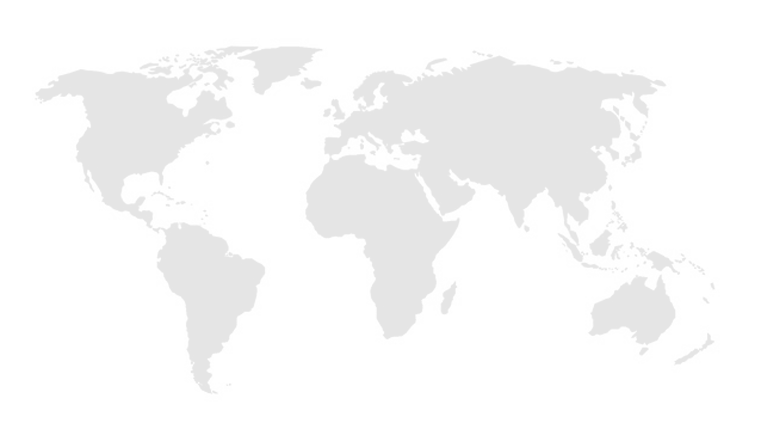
Care Aid operates across the BAY States (Borno, Adamawa, and Yobe) and other crisis-affected regions of Nigeria, reaching thousands of internally displaced persons (IDPs), returnees, and host communities.
Distance doesn’t diminish our mission—whether in urban camps or remote villages, we stand with communities on the frontlines of crisis.
By investing in people—especially the most vulnerable—we create lasting change. Every safe shelter, every drop of clean water, every training session builds a pathway from crisis to resilience.
Philip John
Founder & National Coordinator, Care Aid Support Initiative